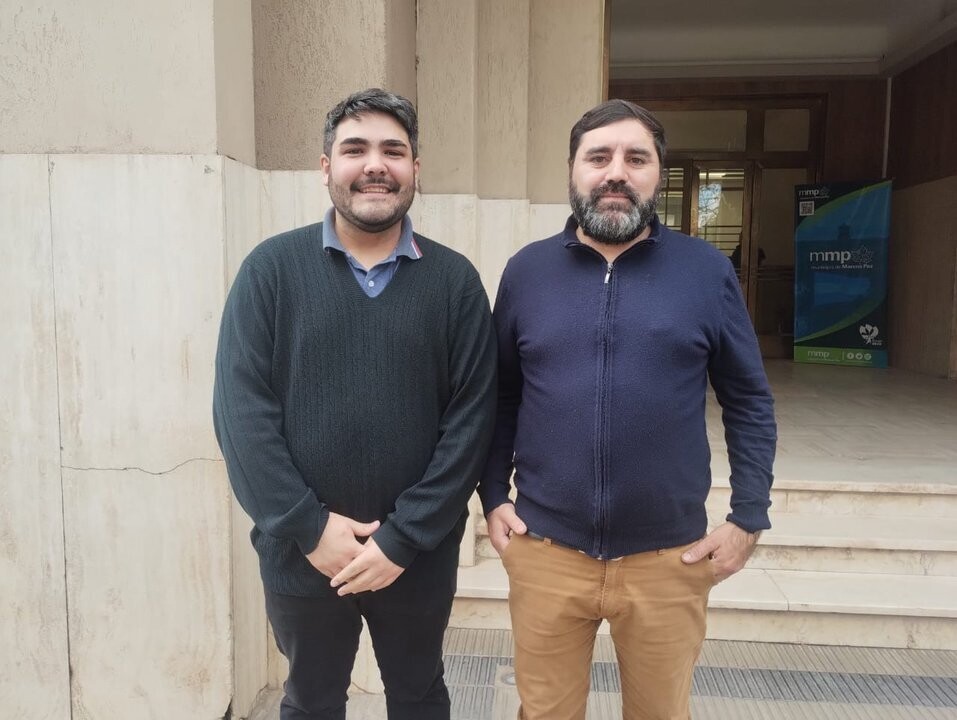
Without data and planning, the opposition's security policy is reduced to isolated reactions. Furthermore, the considerations point out that although there may be policies and funds aimed at prevention, 'the results on the street' would not show an efficient use of those resources. This criticism seeks to open the debate on priorities, coordination, and control of the system. The political background is explicitly stated in the text itself: the blocks pushing for the summons state that the issue must be treated with 'institutional responsibility', prioritizing community concern, and anticipate that they will continue to promote initiatives to strengthen controls and improve crime prevention in the district. Council members are asking for a detailed report on installed and operational cameras, the monitoring scheme, and the assigned personnel, arguing that technology is only useful if it works and if there are human resources to sustain it. The questionnaire also requests data on mobile patrols and municipal police: the number of available vehicles, if they are in service, how coverage is organized by grids, what the routes are, and what coordination exists with provincial forces. Buenos Aires, January 19, 2026 (NA) - The security agenda has escalated in Marcos Paz following the push by councilors Helvio Allocati Cormack (Together for Change) and Ernesto Souza Casadinho (Liberty Advances Alliance), who promoted an extraordinary session to debate the growing problem of insecurity and seek the summons of Mayor Ricardo Curutchet to the Deliberative Council. According to the Argentine News Agency, the initiative is supported by the powers of the local legislative body and maintains that security has become 'the main demand' of the community, with residents demanding concrete responses from the municipal executive in the face of criminal incidents recorded in recent weeks. In the text, the council members state that previous information requests were not sufficient to clarify the situation and warn of a 'systematic silence' from the executive branch to formal requests, so they seek that the mayor attend a special session and provide explanations in the chamber. The draft emphasizes that the Council has the duty to control and monitor public policies and points out that the discussion must be institutional in nature, beyond party differences, as it is a topic that directly impacts the daily lives of residents. In this context, the project states that if the mayor does not attend the summons or avoids responding, it could be considered a 'serious offense' within the municipal regulations cited in the grounds. One of the central axes of the initiative is the demand for precise information about the Operations and Monitoring Center (COM). The intention, they explain, is to know the real operational status of the prevention system. In parallel, the text points to a sensitive aspect for any administration: budget execution and the allocation of funds linked to security. They demand that the Executive explain what resources exist, how they are used, and what results they show, to compare investment with concrete impact on the territory. The project also incorporates a demand for a diagnosis: it requests a 'crime map' of the last six months, with identification of areas of greatest conflict, predominant modalities, and measures adopted in the short and medium term.